Cable Tray in Kuwait | Hazardous Area FRP Cable Tray Suppliers
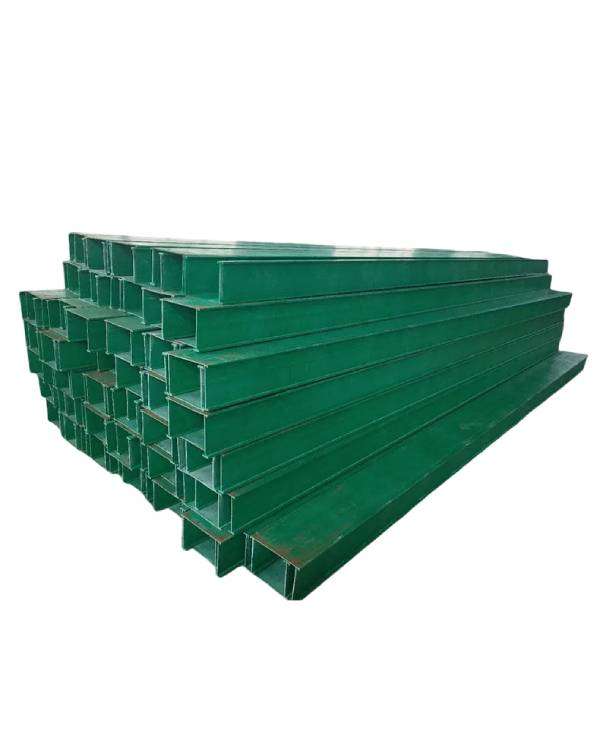
The Fiberglass Cable Tray is a corrosion-resistant cable management system used to route, support, and protect electrical cables in industrial, commercial, utility, marine, offshore, and hazardous-area projects. Its FRP/GRP construction makes it suitable for locations where metal cable trays may face rust, chemical attack, salt air, moisture, and outdoor weather exposure.
For companies searching for Cable Tray in Kuwait, this product supports ATEX cable trays, explosion proof cable trays, flame proof cable trays, intrinsically safe cable trays, and hazardous area cable trays project requirements when the full installation follows approved cable selection, segregation, support spacing, earthing, bonding, and hazardous-area safety rules.
Atex Hub supplies fiberglass cable trays and hazardous-area cable management solutions globally across Kuwait, UAE, Saudi Arabia, Qatar, Oman, Bahrain, Europe, Africa, and worldwide.
What Is Fiberglass Cable Tray?
A Fiberglass Cable Tray, also known as an FRP cable tray or GRP cable tray, is a non-metallic cable support system made from glass fiber reinforcement and resin. It is designed to carry power cables, control cables, instrumentation cables, signal cables, data cables, and communication cables safely through planned cable routes.
This type of cable tray is widely used in harsh locations because it does not rust like standard steel trays. It is a practical choice for Kuwait oilfields, refineries, petrochemical plants, ports, substations, chemical facilities, coastal areas, outdoor plants, and industrial buildings where corrosion resistance and long service life are important.
Key Features of Fiberglass Cable Tray
The Fiberglass Cable Tray gives contractors a durable, lightweight, and corrosion-resistant solution for demanding cable routing projects. It helps improve cable organisation, cable access, cable protection, and long-term installation reliability.
- Ideal for Cable Tray in Kuwait
- Suitable for ATEX Cable Trays project requirements
- Supports Explosion Proof Cable Trays search requirements
- Suitable for Flame Proof Cable Trays cable routes when the complete Ex installation is approved
- Supports Intrinsically Safe Cable Trays with correct Ex i cable segregation
- Suitable for Hazardous Area Cable Trays
- Made from strong FRP/GRP non-metallic material
- Lightweight compared with many metal cable tray systems
- Excellent resistance against corrosion, moisture, salt air, and chemicals
- Suitable for coastal, chemical, marine, offshore, and outdoor environments
- Supports power, control, instrumentation, signal, data, and communication cables
- Helps reduce maintenance in rust-prone environments
- Offers good electrical insulation properties
- Available in ladder, channel, trunking, and tray-type designs
- Supports covers, bends, tees, crosses, reducers, barriers, clamps, and splice plates
- Available with resin options such as polyester, vinyl ester, epoxy, and phenolic resin
- Common size range includes 1000 mm to 6000 mm length, 50 mm to 1000 mm width, 25 mm to 300 mm height, and 3 mm to 6 mm thickness
Applications of Cable Trays
The Fiberglass Cable Tray is suitable for projects where cable routes need strength, corrosion resistance, and safe cable separation. It performs well in industrial, marine, chemical, oil & gas, utility, commercial, and hazardous-area cable management applications.
- Oil & Gas Facilities – Used for routing power, control, instrumentation, and communication cables across process areas, utility sections, skids, and equipment packages.
- Refineries – Supports cable routes near electrical rooms, control rooms, tank farms, switchgear areas, pump stations, and plant structures.
- Petrochemical Plants – Helps manage cables in chemical processing areas where corrosion resistance and chemical resistance are important.
- Power and Utility Projects – Used in substations, transformer areas, generator rooms, power distribution areas, and service corridors.
- Marine and Offshore Projects – Suitable for ports, marine facilities, offshore platforms, coastal plants, and salt-air environments.
- Industrial Buildings – Supports cable routing in factories, warehouses, workshops, production lines, machine areas, and maintenance facilities.
- Data and Communication Routes – Organises fibre, data, telephone, signal, and communication cable runs where clean routing and easy access are required.
- Automation and Control Systems – Used for PLC cable routes, control wiring, sensor cables, field device cables, and machine wiring.
- Hazardous Area Cable Routes – Supports classified-area cable management when the full installation follows approved cable selection, segregation, bonding, earthing, and Ex safety requirements.
- Kuwait Projects – Suitable for Kuwait City, Ahmadi, Shuwaikh, Mina Abdullah, Mina Al Ahmadi, Hawalli, Farwaniya, Jahra, oilfields, ports, refineries, factories, warehouses, utilities, substations, and infrastructure sites.
Technical Specifications
The following specifications give a general overview of the Fiberglass Cable Tray. Final sizes, resin type, load rating, and accessories should be selected based on project design, cable load, site exposure, and installation requirements.
| Specification | Details |
|---|
| Product Name | Fiberglass Cable Tray |
| Product Type | FRP / GRP Cable Tray System |
| Main Use | Cable routing, cable support, cable protection, cable organisation |
| Material | Fiberglass reinforcement with resin system |
| Resin Options | Polyester, vinyl ester, epoxy, phenolic resin |
| Length Range | 1000 mm to 6000 mm |
| Width Range | 50 mm to 1000 mm |
| Height Range | 25 mm to 300 mm |
| Thickness Range | 3 mm to 6 mm |
| Tray Types | Fiberglass ladder tray, channel tray, trunking tray, tray-type cable support |
| Cable Types | Power, control, instrumentation, signal, data, communication cables |
| Common Components | Bends, tees, crosses, reducers, covers, barriers, clamps, splice plates |
| Application Area | Industrial, commercial, utility, marine, offshore, chemical, hazardous-area cable routes |
| Supplier | Atex Hub |
Fiberglass Cable Tray Components
A complete fiberglass cable tray system includes straight tray sections and routing accessories. These components help contractors manage direction changes, cable exits, tray protection, cable separation, and long cable runs.
| Component | Use |
|---|
| Fiberglass Cable Tray | Supports the main cable route |
| Fiberglass Cable Ladder | Supports heavier cable routes with open ventilation |
| Horizontal Bend | Changes cable direction horizontally |
| Vertical Inside Bend | Moves the cable route upward or inward |
| Vertical Outside Bend | Moves the cable route outward or downward |
| Horizontal Tee | Branches one cable route into three directions |
| Horizontal Cross | Connects cable routes in four directions |
| Straight Reducer | Reduces tray width in a straight route |
| Left / Right Reducer | Reduces tray width from one side |
| Cover | Protects cables from dust, sunlight, rain, impact, and exposure |
| Barrier / Divider | Separates power, control, signal, data, or intrinsically safe cables |
| Blind End Plate | Closes the end of a tray route |
| Drop-Out | Allows cables to exit safely from the tray |
| Splice Plate | Joins straight tray sections |
| Expansion Splice Plate | Supports movement in long outdoor tray runs |
| Clamp | Secures tray sections and accessories |
| Cover Clamp | Keeps tray covers firmly fixed |
Cable Tray Selection & Hazardous Area Installation Guide
| Selection Factor | Recommendation |
|---|
| Application Area | Confirm whether the tray is for industrial, commercial, utility, marine, offshore, chemical, or hazardous-area projects. |
| Cable Type | Check whether the route carries power, control, instrumentation, signal, data, or communication cables. |
| Cable Load | Select tray strength based on present cable weight and future expansion requirements. |
| Tray Size | Choose the correct width, height, and thickness based on cable quantity, spacing, and maintenance access. |
| Material Type | Use fiberglass / FRP / GRP where corrosion, moisture, salt air, chemicals, or outdoor exposure are concerns. |
| Resin System | Select polyester, vinyl ester, epoxy, or phenolic resin based on chemical exposure, fire performance, and project specification. |
| Environmental Conditions | Consider Kuwait heat, dust, UV exposure, coastal air, chemicals, humidity, and outdoor weather conditions. |
| Support Spacing | Follow project design and load calculation to avoid tray bending, overload, or poor alignment. |
| Cable Segregation | Use dividers or barriers to separate power, control, signal, data, and intrinsically safe cable routes. |
| Protective Covers | Use covers where cables face dust, sunlight, rain, falling objects, or mechanical exposure. |
| ATEX Cable Tray Routes | Use trays as part of a compliant cable management system for explosive atmosphere projects. |
| Explosion Proof Cable Tray Routes | Follow approved hazardous-area cable routing, equipment location, segregation, and installation practices. |
| Flame Proof Cable Tray Routes | Use suitable routing near Ex d flameproof equipment when the complete installation design is approved. |
| Intrinsically Safe Cable Routes | Maintain proper Ex i cable separation, marking, routing, and segregation throughout the cable path. |
| Earthing & Bonding | Follow the project electrical design and hazardous-area requirements for bonding and continuity. |
| Inspection Access | Keep tray routes easy to inspect, clean, maintain, and modify during plant operation. |
Key Benefits of Fiberglass Cable Tray
The Fiberglass Cable Tray is selected for projects where long-term cable protection matters more than only basic cable support. Its non-metallic FRP/GRP construction gives strong performance in corrosive, coastal, chemical, industrial, and hazardous-area environments.
- Excellent Corrosion Resistance – Performs well in refineries, chemical plants, ports, offshore areas, and coastal facilities where moisture, salt air, and industrial chemicals may damage normal metal trays.
- Lightweight Construction – Easier to transport, lift, handle, and install compared with many traditional metallic cable tray systems.
- High Mechanical Strength – Supports power, control, instrumentation, signal, data, and communication cables while maintaining stable cable routing.
- Weather and UV Resistance – Suitable for outdoor cable routes exposed to sunlight, rain, humidity, dust, and temperature changes.
- Low Maintenance Requirement – Does not rust like standard steel trays, which helps reduce repainting, replacement, and maintenance work.
- Electrical Insulation Properties – The non-metallic body helps reduce electrical conductivity and supports safer cable management in selected installations.
- Chemical Resistant Design – Suitable for areas exposed to acids, alkalis, oils, solvents, process chemicals, and industrial cleaning agents.
- Long Service Life – Designed for demanding environments where heat, dust, corrosion, and chemical exposure can reduce the life of standard cable support systems.
- Supports Hazardous Area Projects – Suitable for ATEX, Explosion Proof, Flame Proof, Intrinsically Safe, and Hazardous Area cable routing when installed according to approved project specifications.
- Flexible System Accessories – Works with bends, tees, reducers, covers, dividers, splice plates, clamps, drop-outs, and other accessories for complete cable management.
Installation & Usage Notes
Correct installation helps the Fiberglass Cable Tray perform safely and reliably. The installer must check tray size, cable load, support spacing, resin type, route direction, cable segregation, and hazardous-area requirements before installation.
- Select the correct Cable Tray in Kuwait based on cable type, load, and installation area.
- Choose suitable tray width, height, thickness, and resin system.
- Avoid overloading the tray beyond the project-approved load rating.
- Maintain the required cable bending radius.
- Use bends, tees, crosses, reducers, splice plates, and couplers where the route changes.
- Use dividers or barriers where power, control, data, signal, or intrinsically safe cables need separation.
- Use covers where cables need protection from dust, sunlight, rain, falling objects, or outdoor exposure.
- Use cover clamps in outdoor, rooftop, windy, or vibration-prone areas.
- Keep support spacing as per project design and manufacturer guidance.
- Check expansion points for long outdoor tray runs.
- Follow project earthing, bonding, and hazardous-area requirements.
- Inspect fasteners, clamps, covers, supports, splice plates, alignment, and cable separation before handover.
Certifications, Standards & Compliance
Cable tray compliance depends on the selected material, resin system, load rating, fire performance, and project specification. Always confirm applicable standards before procurement and installation.
- NEMA FG 1 – Fiberglass Cable Tray Systems
- IEC 61537 – Cable Tray and Cable Ladder Systems
- IEC 60079 – Explosive Atmospheres Standards
- IEC / EN 60529 – IP Ratings
- UL 94 – Flammability Rating for Plastic Materials
- ASTM D635 – Flammability Testing of Plastics
- Compliance Note
Confirm tray material, resin system, load rating, support spacing, cable segregation, cover requirement, fire performance, earthing, bonding, and hazardous-area installation design before procurement.
Why Choose Atex Hub for Fiberglass Cable Tray
Atex Hub supports projects that require reliable cable management products for hazardous, industrial, marine, utility, and infrastructure environments. We help customers source suitable cable tray solutions based on project location, cable route, environmental exposure, and compliance requirements.
- Supplier of Cable Tray in Kuwait
- Supports ATEX Cable Trays project requirements
- Supplies cable management solutions for Explosion Proof Cable Trays search requirements
- Supports Flame Proof Cable Trays cable routing projects
- Helps with Intrinsically Safe Cable Trays requirements where cable segregation is needed
- Supplies Hazardous Area Cable Trays for classified industrial locations
- Offers support for power, control, signal, data, instrumentation, and communication cable routes
- Supplies cable tray solutions across Kuwait, UAE, Saudi Arabia, Qatar, Oman, Bahrain, Europe, Africa, and worldwide
Frequently Asked Questions
1. What is a Fiberglass Cable Tray used for?
It is used to route, support, protect, and organise power, control, instrumentation, signal, data, and communication cables.
2. Is this suitable for Cable Tray in Kuwait projects?
Yes, it suits Kuwait projects when tray size, resin type, load rating, support spacing, and installation design match the site requirement.
3. What is the main benefit of fiberglass cable tray?
The main benefit is corrosion resistance in chemical, coastal, outdoor, marine, offshore, and harsh industrial environments.
4. Is fiberglass cable tray lightweight?
Yes, FRP/GRP cable trays generally lighter than many metal cable tray systems, making handling and installation easier.
5. Can fiberglass cable trays support power cables?
Yes, they can support power cables when the correct tray size, thickness, load rating, and support spacing selected.
6. Can this tray support instrumentation cables?
Yes, it supports instrumentation, control, signal, data, and communication cable routes with proper segregation.
7. Can fiberglass cable tray work in hazardous areas?
Yes, it can used in hazardous-area cable routes when the complete installation follows approved Ex safety requirements.
8. Why are dividers used in fiberglass cable trays?
Dividers separate power, control, signal, data, and intrinsically safe cables inside the tray route.
9. Why are covers used on cable trays?
Covers protect cables from dust, sunlight, rain, falling objects, and mechanical exposure.
10. Where can Fiberglass Cable Tray be used in Kuwait?
It suits Kuwait City, Ahmadi, Shuwaikh, Mina Abdullah, Mina Al Ahmadi, Hawalli, Farwaniya, Jahra, ports, refineries, oilfields, factories, utilities, substations, and infrastructure sites.
11. Who supplies fiberglass cable trays globally?
Atex Hub supplies fiberglass cable trays and hazardous-area cable management solutions across Kuwait, UAE, Saudi Arabia, Qatar, Oman, Bahrain, Europe, Africa, and worldwide.
Conclusion
The Fiberglass Cable Tray gives projects a reliable cable management solution for corrosion-resistant cable routing, cable support, cable segregation, and organised electrical installation. Its FRP/GRP construction makes it suitable for outdoor, chemical, coastal, marine, industrial, utility, and hazardous-area cable routes.
For buyers searching for Cable Tray in Kuwait, this product offers strong value for refineries, oilfields, petrochemical plants, factories, warehouses, ports, substations, utility projects, automation systems, control rooms, and infrastructure sites. It supports power cables, control cables, instrumentation cables, signal cables, data cables, and communication cables.
Atex Hub supplies Fiberglass Cable Trays and other cable management solutions globally across Kuwait, UAE, Saudi Arabia, Qatar, Oman, Bahrain, Europe, Africa, and worldwide.